Palliative Care · Public Health · Policy
Academic Consultant, Institute of Palliative Medicine, WHO Collaborating Centre
Building palliative care and bereavement support with governments, organisations and communities. Formerly Kerala's first State Project Manager for Palliative Care under the National Health Mission.
Saif Mohammed was the first State Project Manager for Palliative Care in Kerala under the National Health Mission, where he led efforts to initiate primary palliative care programs, empower Local Self-Governments, and facilitate specialized palliative care services in secondary and tertiary hospitals. He contributed to the formulation of the Palliative Care Policy for the Government of Kerala and served as State Coordinator of the palliative care program under the Additional Skill Acquisition Programme (ASAP).
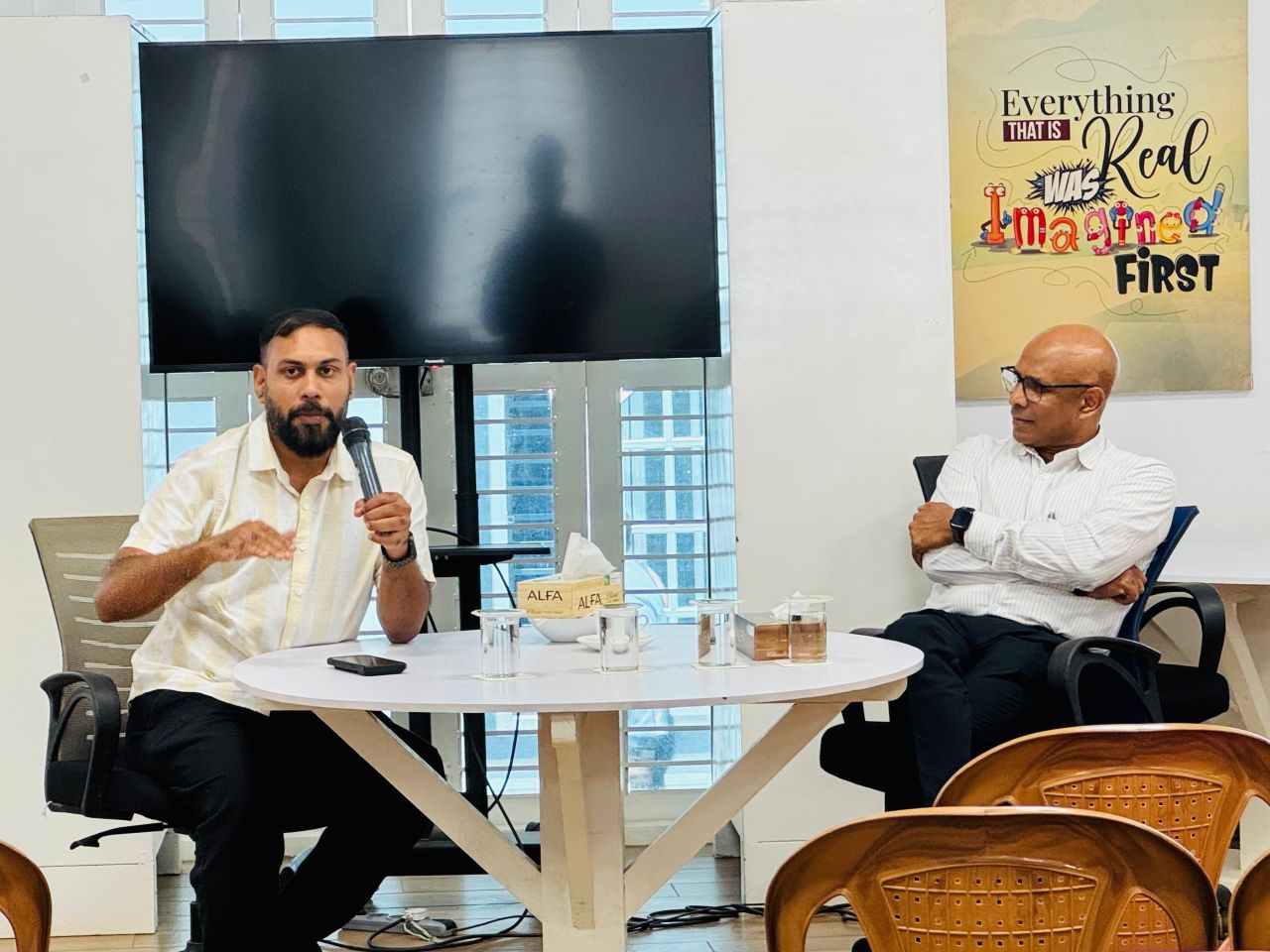
He is currently an Academic Consultant at the Institute of Palliative Medicine, a World Health Organization Collaborating Centre for Country Capacity Building in Palliative Care and Long-Term Care, where he facilitates capacity development workshops for governments and organizations in low- and middle-income countries.
He serves on the board of Public Health Palliative Care International as Membership Secretary, and is the former CEO of Mission Better Tomorrow, a global organization partnered with UNICEF.
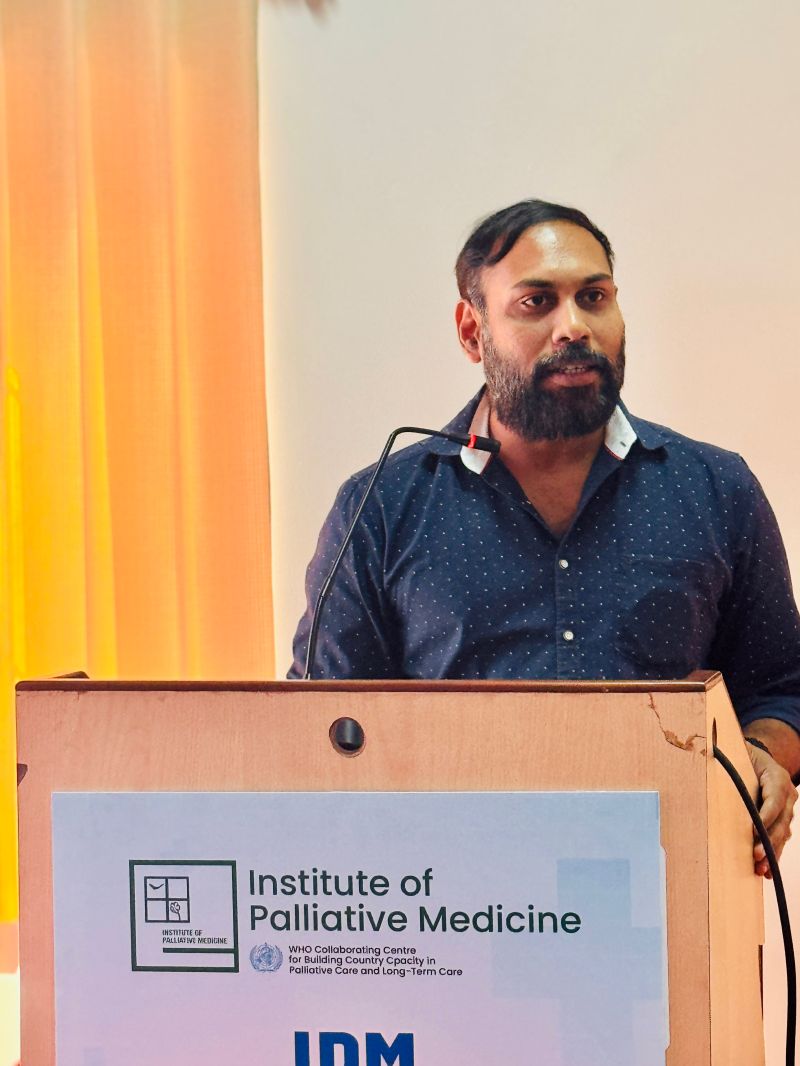
Facilitates capacity development workshops for governments and organizations in low- and middle-income countries.
Shares expertise with participants from around the world.
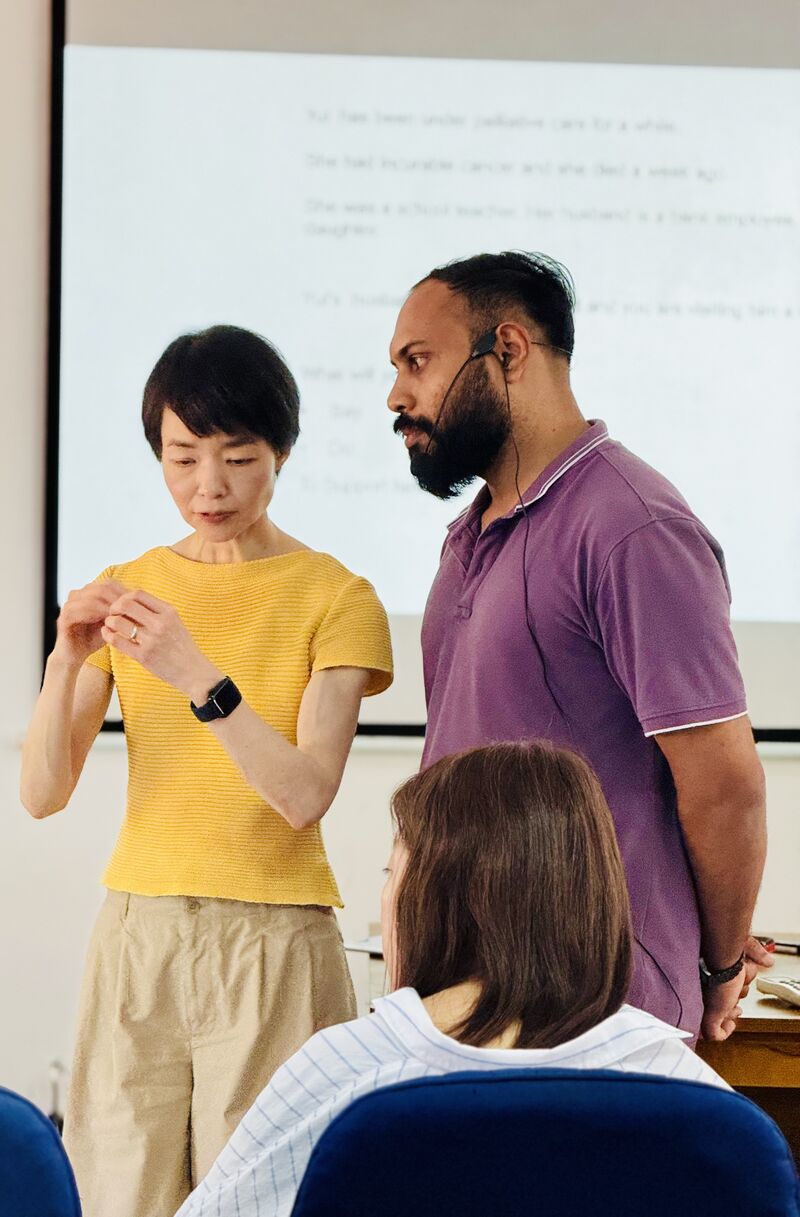
Implementing the International Program for Developing Bereavement Companions.
First to hold the role. Initiated primary palliative care programs, empowered Local Self-Governments, and contributed to Kerala's Palliative Care Policy.
A global organization partnered with UNICEF.
Peer-reviewed · SAGE
01On bereavement companionship, the many forms grief can take, and the importance of presence rather than trying to fix or replace loss.
Articles · eHospice
02Kerala's palliative care journey and the role of community-based compassion.
Building caregiving capacity beyond conventional volunteer training.
Cultural traditions, family caregiving and culturally responsive care.
Everyday compassion, listening and total pain.
Making bereavement companionship a shared social responsibility.
Cross-sector collaboration in community palliative care.
Community participation, power-sharing and who gets to produce knowledge.
Strengthening nurses' participation in organisational and policy leadership.
Hope, illness, community knowledge and the realities surrounding dying.
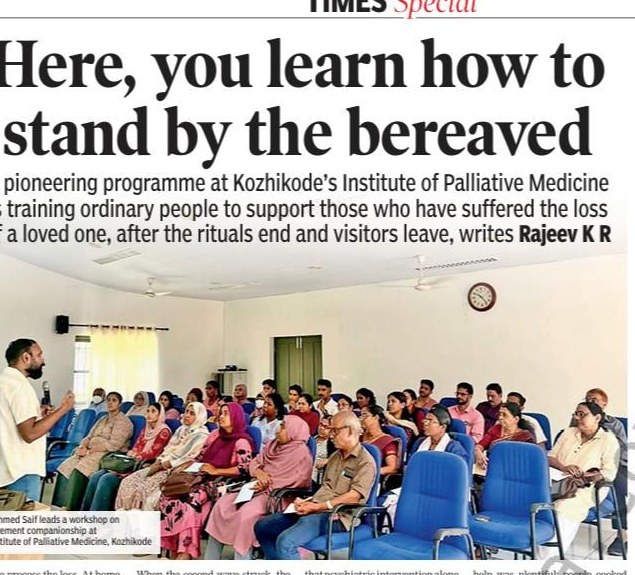
A Times of India feature by Rajeev K R on the programme at the Institute of Palliative Medicine, Kozhikode, run with the Death Literacy Institute, Australia. It follows Saif leading a workshop that trains ordinary people to support those who have lost a loved one.


Contact
For workshops, capacity building, speaking or collaboration on palliative care and bereavement support.